

Showing Coordinator Virtual Assistant for Ontario Buyer Agents: How to Book Showings, Plan Routes, Manage Listing Alerts and Stay Organized From First Tour to Offer Night
Showing requests, confirmations, listing alerts and feedback can swallow a buyer agent’s whole week. A showing coordinator virtual assistant books and confirms tours, builds showing routes, keeps saved searches and buyer notes current and preps offer night checklists so Ontario buyer agents can spend their time in homes with clients.

Past Client Follow Up Virtual Assistant for Ontario Realtors: How to Stay in Touch After Closing and Turn Happy Clients Into Repeat Business and Referrals
The deal closes, the keys change hands, and then life gets busy. A past client follow up virtual assistant keeps your sphere database clean, remembers home anniversaries and checks in on schedule so Ontario realtors stay top of mind for repeat business and referrals.

Listing Coordinator Virtual Assistant for Ontario Realtors: From Photo Day to Live Listing and Open House Follow-Up
The listing agreement is signed, photo day is booked, and then the admin avalanche begins. A listing coordinator virtual assistant keeps seller documents, MLS details, open houses and showing feedback organized so Ontario realtors can stay focused on pricing strategy and client conversations.

Real Estate Lead Follow Up Virtual Assistant for Ontario Realtors: Pairing Ontario Agent Search Referrals With Romano Remote VA Support
New buyer and seller leads are exciting until they pile up during a busy week. Learn how Ontario realtors pair client referrals from Ontario Agent Search with a Romano Remote virtual assistant who handles speed to lead follow up, CRM entry, scheduling and nurturing so no referral goes cold.

Real Estate Transaction Coordinator Virtual Assistant in Ontario: How Realtors Keep Every Deal on Track from Firm Offer to Closing Day
The offer is firm, the champagne emoji has been sent, and now the real work begins. A real estate transaction coordinator virtual assistant keeps conditions, deposits, lawyer details, brokerage paperwork and closing day on track so Ontario realtors can get back to finding the next client.

Virtual Assistants for Pre-Construction Realtors in Ontario: Why Builder Deals, Deposit Schedules and VIP Launches Need Dedicated Support
Selling pre-construction condos and builder inventory in the GTA means tracking deposit schedules, amendments, occupancy dates and launch lists for years after a deal is signed. A virtual assistant for pre-construction realtors keeps every file organized so you can focus on buyers, builders and the next launch.

How a Real Estate Virtual Assistant Helps North York Ontario Realtor Fred Dadashlo Deliver a Better Client Experience
Real estate is a business built on relationships. Buyers and sellers do not just want someone who can list a property or write an offer. They want a Realtor who is present, responsive, and focused entirely on their needs during one of the biggest financial decisions of their lives. The problem is that behind every successful real estate transaction sits a mountain of administrative work: website updates, paperwork, scheduling, follow up emails, listing coordination, CRM updates, and dozens of small tasks that have nothing to do with actually serving the client, but everything to do with keeping the business running. This is exactly why more top producing agents, including Fred Dadashlo, a North York Realtor with Royal LePage Platinum Realty, have started working with a dedicated real estate virtual assistant. The goal is simple. When the administrative and marketing sides of the business is handled by someone else, the Realtor gets more time back for the part of the job that actually matters most: the client.

Ontario New Home Sales Jump 130%: What the HST Rebate Surge Means for Realtors, Investors, and Builders
Ontario's new home market just delivered its strongest quarterly performance in years — and the numbers are turning heads across the province's real estate industry. New home sales in Ontario rose 130% year-over-year in the second quarter of 2026, a swing large enough to reshape conversations among realtors, real estate investors, and builders alike. The catalyst is Ontario's enhanced Harmonized Sales Tax (HST) rebate on new construction, a temporary but significant piece of tax relief that has fundamentally changed the math on buying new. This article breaks down exactly what happened in Q2 2026, how the Ontario HST rebate program works, which segments of the new construction market are benefiting most, and — most importantly — what it all means for the professionals who work in Ontario real estate every day.

Why Generic Virtual Assistants Fail Cottage Country Realtors
Most "virtual assistant for realtors" advice is written for suburban resale agents, and it shows the moment a cottage buyer asks about shore road allowances, frontage-based pricing, or septic history on a property built decades before current code. Ontario's cottage country runs on its own rulebook, from Muskoka to Haliburton to the Kawarthas, and a generalist VA simply hasn't been trained on any of it. Here's what a cottage-country-ready virtual assistant actually needs to know, and why the gap costs realtors more than it seems.
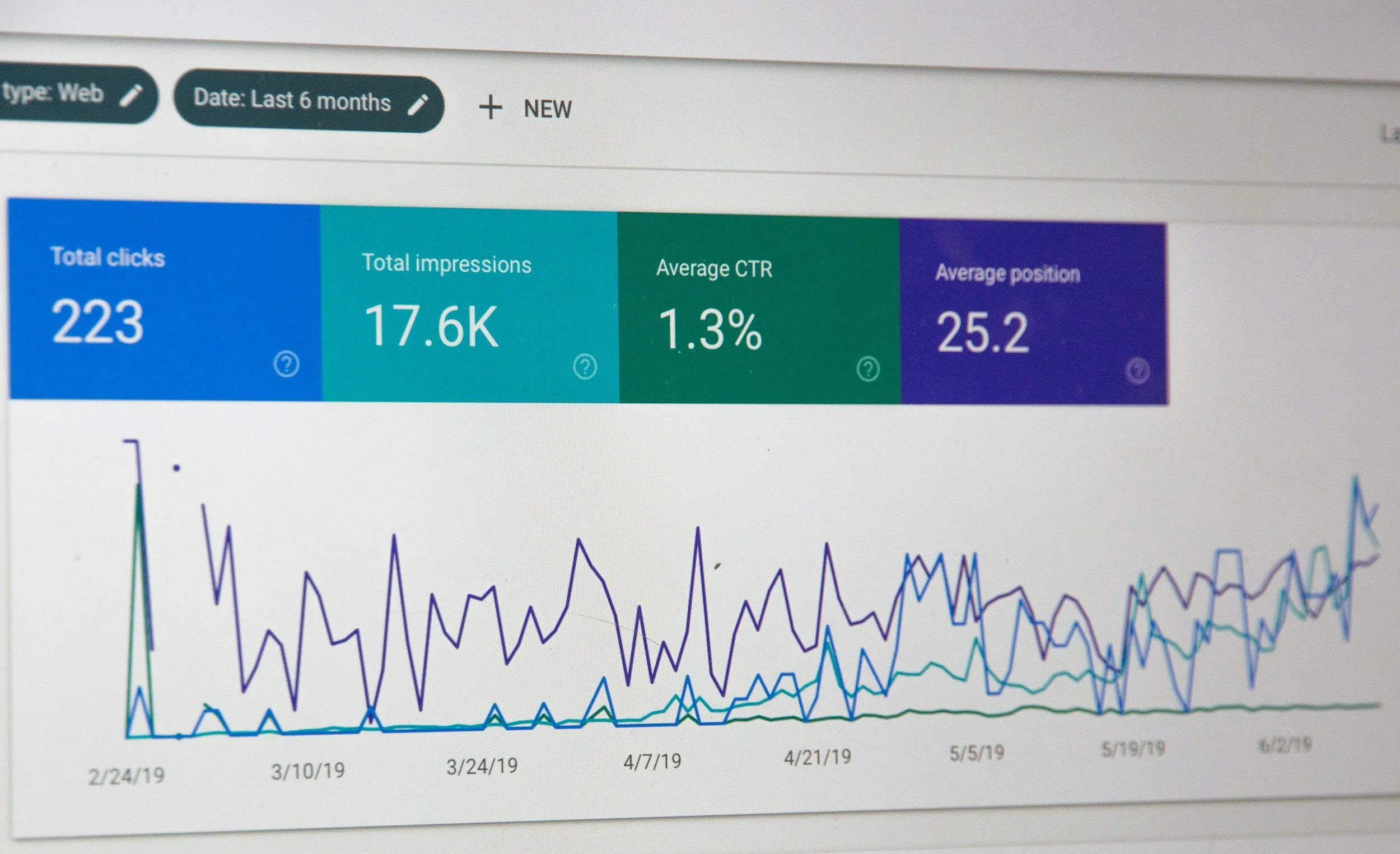
Where Ontario Realtors Go Wrong With SEO and Marketing (And How to Fix It)
The Ontario real estate market is one of the most competitive in North America. Whether you are working in Toronto, London, Ottawa, Hamilton, Oakville, or any of the smaller markets across the province, you are competing not just against other agents but against large brokerage websites, national real estate portals, and an increasingly sophisticated digital landscape that most realtors have never been properly taught to navigate. The result is a pattern of marketing mistakes that repeats itself across thousands of Ontario real estate businesses every year. Agents who are exceptional at their craft, deeply knowledgeable about their markets, and genuinely great at building client relationships are being outranked and outmarketed by competitors who simply understand the digital side of the business better.
Looking for something specific?